

Hi there, I’m Eric, the founder of The Kilted Leatherworker LLC. If you’ve spent any time looking at my workbench or visiting my booth at local markets, you know I have a bit of an obsession with how we carry our daily essentials. There is something about the way a piece of leather feels in your hand: the weight, the smell, and the promise of a lifetime of use: that just makes me smile.
I started this journey because I wanted to create things that were "adventure-ready." I love the idea that a wallet isn't just a place to stick your ID; it’s a companion on your travels, whether you’re heading to the grocery store or trekking across the Highlands. But lately, I’ve noticed a lot of folks making the same few mistakes with their minimalist wallets.
A minimalist wallet is a beautiful tool, but it requires a bit of a mindset shift. If you treat it like a traditional bulky bifold, you're going to run into some trouble. I want your leather goods to last for decades, not just months, so let’s talk about how to avoid these common pitfalls and keep your gear in tip-top shape.
1. The "George Costanza" Syndrome (Over-stuffing)
We’ve all seen that episode of Seinfeld where George’s wallet is so big it causes him back pain and eventually explodes in the street. The whole point of going minimalist is to escape that! However, one of the most common mistakes I see is people trying to force ten cards and a wad of receipts into a wallet designed for five.
When you over-stuff a leather wallet, you’re essentially stretching the hide beyond its natural limit. Leather is an amazing, organic material that has "memory." Once it stretches out to accommodate three cards in one slot, it’s not going to shrink back easily. If you later decide to only carry one card, it might just slide right out and get lost.
The Fix: Be honest with yourself about what you actually need. I recently wrote about The Minimalist Wallet Challenge, and it’s a great exercise. Before you move into a new wallet, lay everything out and purge the clutter. If the wallet says it holds 6 cards, stick to 6. If you need more room, it might be time to look at something with a slightly different capacity, like my burgundy wrinkle wallet that has a bit more give.
2. Letting It Get "Waterlogged"
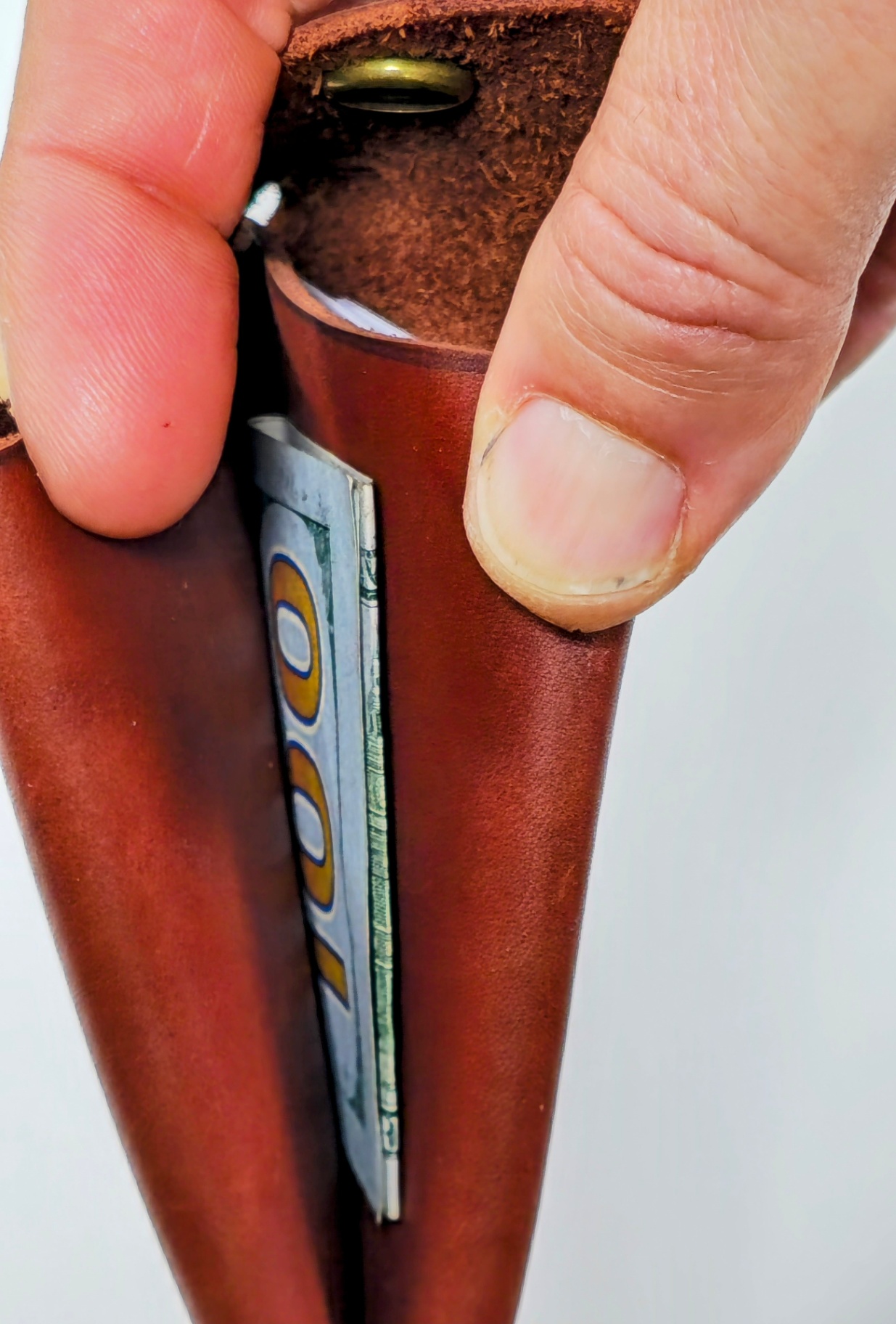
I love a good adventure, and sometimes that means getting caught in the rain. While leather is rugged, it isn't a fan of being soaked through. Water can strip away the natural oils that keep the leather supple. If it gets wet and then dries too quickly (like sitting on a radiator), the fibers can become brittle and crack.
The Fix: If your wallet gets wet, don’t panic. Just take everything out and let it air dry naturally at room temperature. Don't use a hairdryer or put it in the sun. Once it’s dry, it’s a good idea to apply a little bit of conditioner to restore those lost oils. I always say that a little bit of care goes a long way in ensuring that every stitch is perfect for years to come.
3. Neglecting the "Spa Treatment"
Think of leather like your own skin. It needs a little cleaning and hydration every now and then. Over time, the oils from your hands, dust from your pockets, and even lint can build up on the surface and inside the slots. This grime can actually act like sandpaper, wearing down the leather and the stitching over time.
The Fix: Every few months, give your wallet a quick "spa day." Empty it out and wipe it down with a soft, slightly damp cloth. Use a dedicated leather cleaner for any stubborn spots, and then follow up with a high-quality leather conditioner. It keeps the leather soft, helps it develop that beautiful patina we all love, and prevents it from drying out.

4. Ignoring the "Loose Grip"
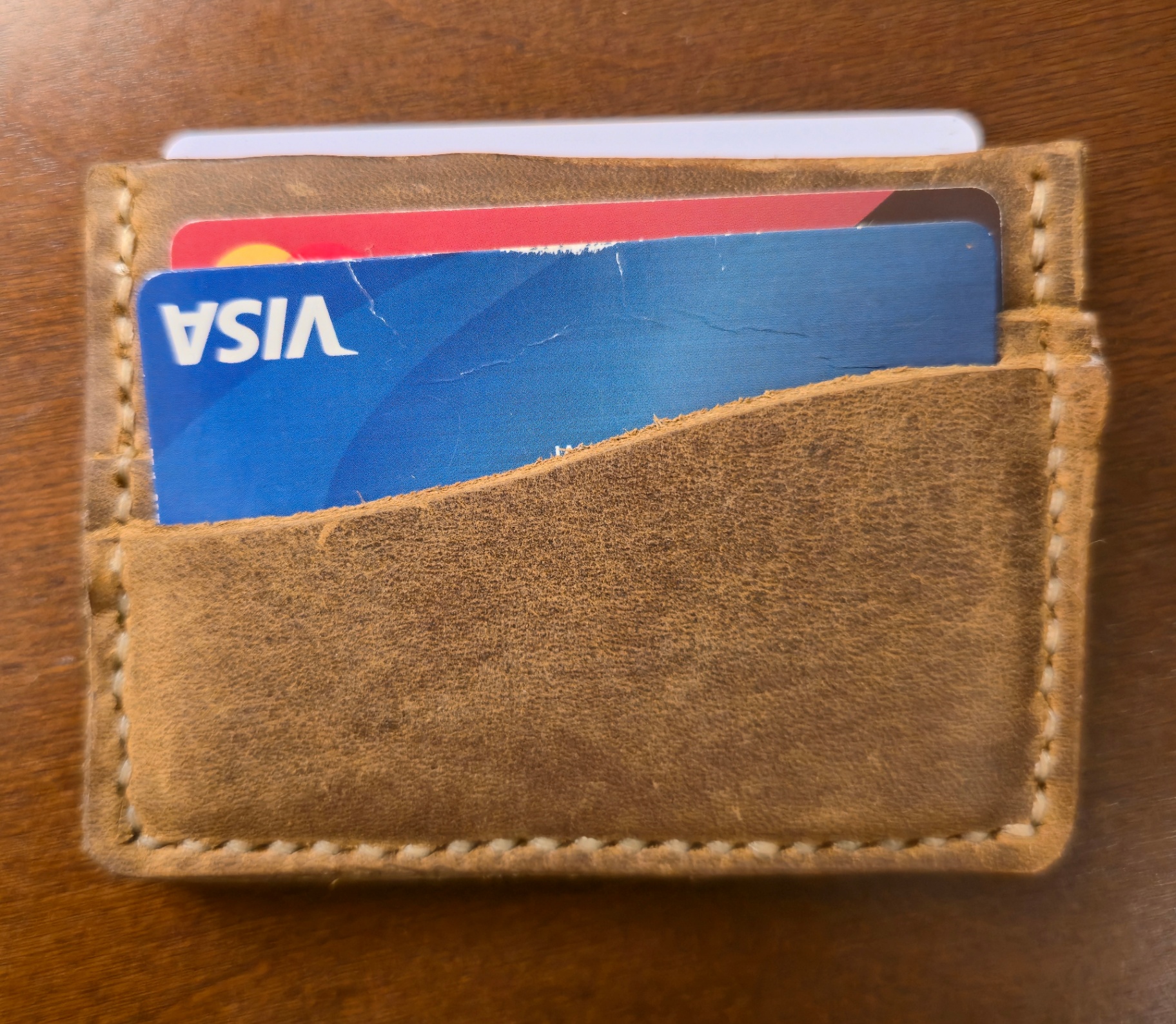
This happens most often with wallets that use elastic bands or very thin leather. Over time, things can loosen up. If you notice your cards are starting to feel like they might fall out if you shake the wallet, that’s a sign that the tension is gone. In handmade goods, this is less of an issue because we use thicker, higher-quality hides, but it’s still something to watch for.
The Fix: Regularly check the "grip" of your wallet. If you’re using a wallet with an elastic component, you might need to replace the band. If it's a full leather design, try to avoid "over-stretching" it as mentioned in mistake number one. When I design pieces like my tan minimalist wallet, I focus on a snug fit that stays secure through daily use.
5. The Dashboard Death Trap (Improper Storage)
I’ve had folks tell me they left their wallet on the dashboard of their truck for a weekend in the summer. That is a recipe for disaster! Direct sunlight and extreme heat will bleach the color out of your leather and bake the life right out of it. On the flip side, storing leather in a plastic bag can lead to mold because the leather can't "breathe."
The Fix: When your wallet isn't in your pocket, keep it in a cool, dry place away from direct sunlight. If you’re switching wallets for a while, just leave it on a dresser or in a drawer. Leather is a natural material: it likes the same kind of environment you do!
6. Choosing Aesthetics Over Functionality
It’s easy to get distracted by a "cool" design, but if it doesn't fit your lifestyle, you're going to be frustrated. Some minimalist wallets look great in photos but are a nightmare to actually use: cards get stuck, or there’s no place for a folded bill. I’ve learned through my leatherworking journey that the best designs are the ones that disappear into your life until you need them.
The Fix: Before buying, think about your daily "flow." Do you use cash? Do you have one "main" card you tap all the time? Look for a layout that makes sense for you. For example, some people prefer a horizontal layout, while others like a vertical snap closure. I try to offer a variety of styles in my shop because I know every adventurer is different.

7. Falling for "Genuine Leather" Marketing
This is probably the biggest mistake of all. "Genuine Leather" sounds like a quality guarantee, but in the industry, it’s actually a specific grade: and it’s usually the lowest one. It’s often made of several layers of low-quality leather bonded together with glue and painted to look nice. It will peel, crack, and fall apart within a year.
The Fix: Look for "Full-Grain" or "Top-Grain" leather. This is the real deal. It’s the strongest part of the hide and contains all the natural fibers that make leather so durable. When I make a wallet, I’m looking for honest materials that tell a story. You want something that will age with you, gaining character as it goes.
I love creating items that are unique and made with love, and that starts with the quality of the hide. Whether it's a simple card holder or a more complex mini-padfolio, the material is the foundation of the craft.
Why This Matters to Me
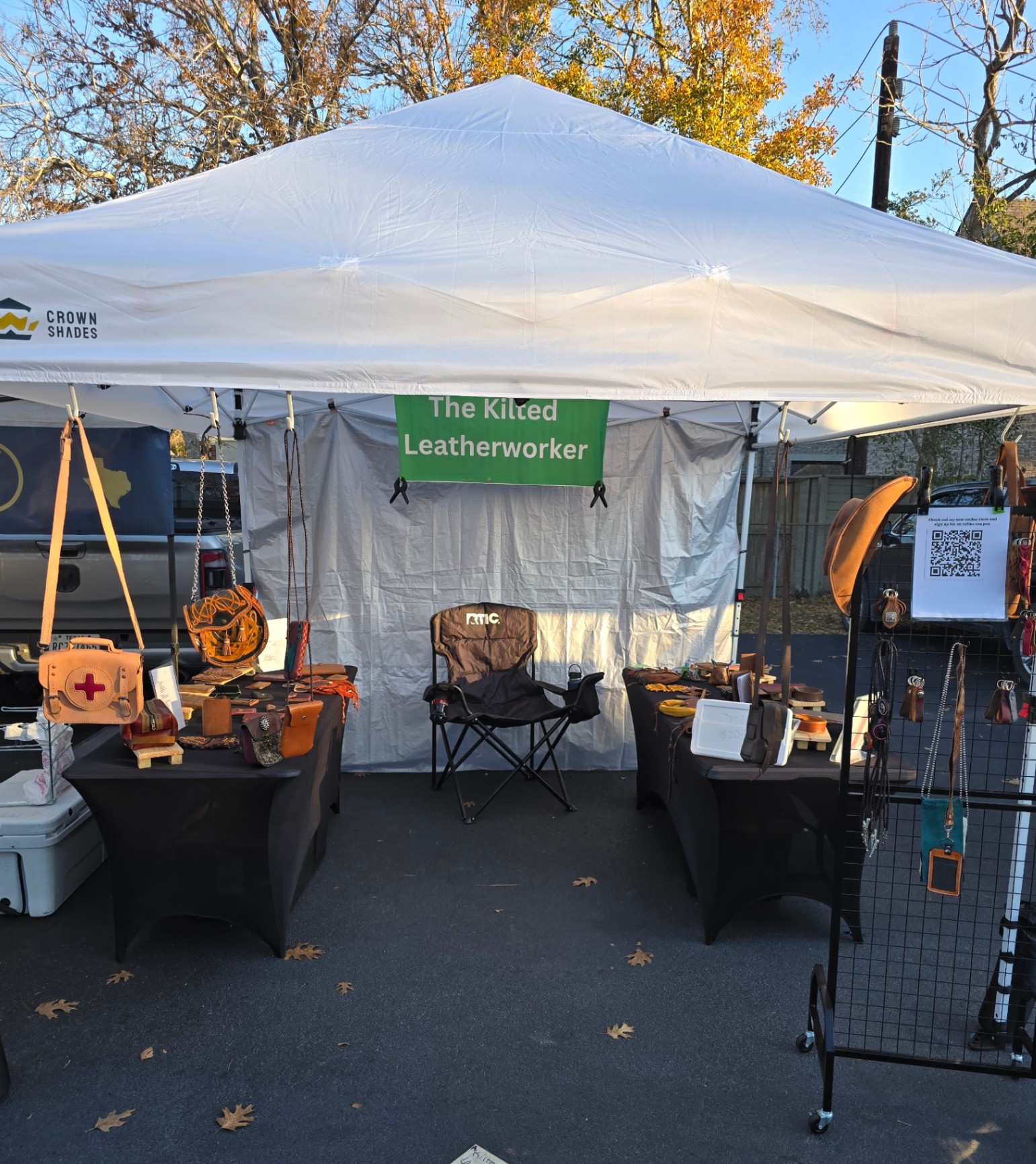
You might wonder why I care so much about how you treat your wallet. To me, leatherworking isn't just a business; it’s a way to connect with people. When I’m at the market booth, I love seeing the wallets people have carried for years. I love seeing the scratches and the darkened edges that show where their hands have been.
A good leather wallet is one of the few things in this world that actually gets better the more you use it. It’s the antithesis of "fast fashion." By avoiding these seven mistakes, you’re not just saving money; you’re honoring the craft and the animal that provided the material.
I hope these tips help you get the most out of your minimalist carry. If you’re ever unsure about how to care for a piece or if you’re looking for your next "adventure-ready" companion, don't hesitate to reach out or check out the rest of the blog for more tips and stories.
Thank you so much for taking the time to read this and for supporting a small, handmade business. It truly means the world to me.
Stay adventurous,
Eric
Founder, The Kilted Leatherworker LLC