

Hi there, I’m Eric. If you’re anything like me, you probably feel a certain pull toward the outdoors. There is just something about being out in the fresh air, away from the hum of the workshop, that clears the head. But if you’ve ever spent a day hiking or exploring, you’ve probably run into the same problem I have: where do you put the small stuff?
I’m talking about the things you need right now, your compass, a fire starter, maybe a small notebook, or even just your keys. Digging through a massive, high-tech backpack every time you want to check your map or grab a snack is a real pain. That’s exactly why I started focusing on belt pouches and sporrans here at The Kilted Leatherworker LLC. I wanted a way to mix that rugged, traditional feel of leather with the gear we use today.
In this post, I want to walk you through how I integrate a leather belt pouch or a sporran into a modern adventure setup. It’s not just about looking good (though that’s a nice bonus); it’s about making your journey smoother.
Starting with the "Why"
When I first started my leatherworking journey, I was fascinated by how people carried their essentials hundreds of years ago. Before everyone had zippers and nylon, they had leather. They had pouches that hung from their belts.
Today, we have these amazing ultralight backpacks and synthetic clothes, but they often lack that "quick-access" soul. I’ve found that a well-made leather pouch acts as the perfect bridge. It adds a bit of weight, sure, but the convenience and the way it ages with you make it worth every ounce. I love the idea that as you climb mountains or trek through the woods, the leather is picking up marks and character from your specific adventure.
How to Actually Attach It
The biggest question I get is: "Eric, how do I actually wear this with my hiking gear?" Most modern adventure pants don't have the heavy-duty belts we might be used to, but that shouldn't stop you.
The Belt Loop System
Most of the pouches I create use a traditional belt loop system. I’m a big fan of using adjustable loops with antique brass buckles or sturdy snaps. This is important because it means you don't have to take your whole belt off just to add or remove your pouch.
If you’re wearing a dedicated adventure belt, like one of my chocolate color handmade leather belts, you simply thread it through.

I usually suggest positioning the pouch at your hip or slightly forward. This spot is the "sweet spot" because it allows the pouch to fold naturally against your body when you sit down or scramble up a rocky path. If it’s too far back, it’ll bump into your backpack; too far forward, and it gets in the way of your stride.
Dealing with Backpack Hip Belts
This is where it gets tricky. If you’re wearing a large multi-day pack with a padded hip belt, you might think a leather pouch won't work. But here’s a little trick I’ve learned: you can often thread the pouch directly onto the webbing of your backpack's hip belt.
Alternatively, some folks prefer to let the pouch hang just below the padded section of their pack. Since I use full-grain leather, these pouches are tough enough to handle a bit of rubbing against synthetic straps without getting damaged. In fact, it usually just polishes the leather a bit!
Organizing Your Gear for the Trail
Once you’ve got it attached, you need to decide what goes inside. I like to think of my belt pouch as my "emergency and essentials" kit. If I had to drop my big pack for some reason, what would I want on my person?
- Navigation: A compass or a small GPS unit.
- Fire: A lighter or a ferro rod. (Some of my pouches even have specific side loops for 6-inch ferro rods).
- Communication: Your phone or a small radio.
- Note-taking: I’m partial to a mini leather journal cover for jotting down thoughts or trail coordinates.
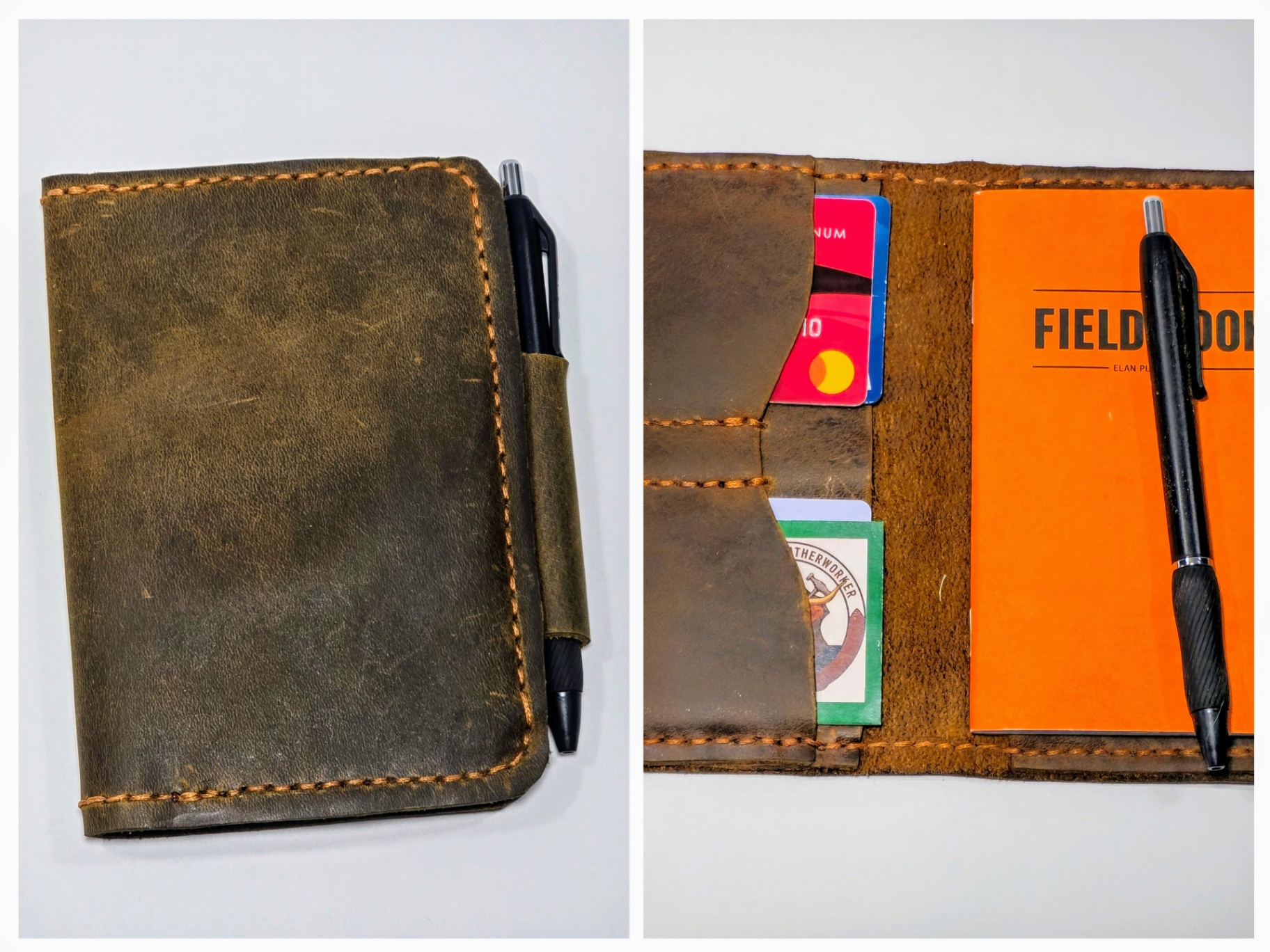
I recommend putting your most-used items in the main compartment and using any interior slots for things like ID or a credit card. If you're using something like my hand-stitched hair-on-hide pouch, you’ll find that the built-in card slots are perfect for keeping your essentials organized while the main pocket holds your bulkier items.
Sporran or Pouch: Which One Do You Need?
In my shop, I make both traditional-style pouches and what I call "hybrids." You might wonder if a sporran is too "formal" for the woods. To that, I say: absolutely not! A sporran is essentially just a very evolved belt pouch.
I’ve written before about the belt pouch vs. purse debate, and the same logic applies here. A sporran-style pouch, like my hair-on cowhide hybrid, often comes with a chain or a strap, which gives you even more flexibility. If you're wearing a kilt on your adventure (which I highly recommend for the freedom of movement!), a sporran is a must. But even with modern hiking trousers, the wider opening of a sporran makes it very easy to get your hands into when you're wearing gloves.

I enjoy the process of making these hybrids because they look just as good at a campsite as they do at a Highland Games event. It’s about versatility.
The Beauty of Hand-Stitched Craftsmanship
One thing I really pride myself on is that every stitch is done by hand. When you’re out in the elements, you need gear that isn't going to fall apart. Mass-produced pouches often use thin thread and machine lock-stitches that can unravel if one thread breaks.
When I’m sitting at my bench, I use waxed thread and a saddle stitch. This means even if a stitch were to somehow get cut on a sharp rock, the rest of the seam stays tight. It’s this kind of patience, making items one step at a time, that ensures your pouch will probably outlast your hiking boots.

(Suggested Prompt: A close-up shot of a leatherworker's hands using two needles to saddle-stitch a thick piece of brown leather, showing the texture of the waxed thread and the focus on the craft.)
I’ve had customers tell me that their pouch has become their favorite piece of gear. There is something about the smell of the leather and the solid "thunk" of a brass closure that just feels right. It grounds you.
Compatibility with Modern EDC
Modern adventures often involve "Everyday Carry" (EDC) items like multi-tools or flashlights. If you have a favorite knife with its own sheath, you’ll want to make sure your leather pouch doesn't take up all the real estate on your belt.
Most of my pouches, like the golden buffalo belt pouch, are designed to be slim enough to sit alongside other gear.

The buffalo leather I use for these is incredibly durable but also surprisingly supple, so it doesn't feel like a stiff box on your hip. It moves with you. If you’re worried about space, you can also add a snap strap key fob to hang your keys or a small torch from a separate belt loop, keeping the inside of your pouch free for other things.
Caring for Your Leather on the Trail
If you’re taking your leather out into the rain or snow, you might worry about it getting ruined. Don't be! High-quality leather loves a bit of adventure. Just remember a few simple rules:
- Let it dry naturally: Never put your pouch near a campfire or a heater to dry it out. That will make the leather brittle. Just let it air dry.
- Condition it occasionally: After a particularly dusty or wet trip, give it a little love with some leather conditioner. It’ll soak it right up and stay soft.
- Embrace the patina: Every scratch tells a story. I’ve always felt that a pristine leather pouch looks a little lonely. It wants to see the world!
Final Thoughts
Integrating a leather belt pouch or sporran into your modern gear is about more than just utility, it’s about bringing a piece of tradition along for the ride. Whether you're a serious hiker, a casual explorer, or just someone who appreciates the modern adventurer’s guide to hands-free carry, I think you’ll find that a bit of handmade leather changes the way you feel on the trail.
I truly love making these pieces, and I’m always humbled when someone chooses to take something I made on their own personal journey. If you have any questions about which pouch might be right for your setup, or if you just want to talk shop, please feel free to reach out on my contact page.
Thank you so much for taking the time to read this and for supporting small businesses like mine. It means the world to me.
Warmly,
Eric
Founder and Owner, The Kilted Leatherworker LLC