

![[HERO] The Ultimate Guide to Caring for Handmade Leather: How to Make Your Gear Last a Lifetime (Updated)](https://cdn.marblism.com/5lzgCOnRjjz.webp)
Hi, I’m Eric. If you’re reading this, you probably already know that there is something truly special about holding a piece of handmade leather. Maybe it’s the weight of it, the rich smell that fills the room when you open a package, or the way it feels just a little bit different every time you pick it up. Whether you’ve just picked up one of my handcrafted leather journal covers or you’ve been carrying one of my bags for years, you’ve made an investment in something real.
I started The Kilted Leatherworker LLC because I wanted to create things that actually last. I was tired of the "disposable" world where things break after a few months and end up in a landfill. But here is the thing: even the toughest buffalo hide or the finest full-grain leather needs a little bit of love to reach its full potential.
Think of your leather gear like a good pair of boots or even a classic car. If you take care of it, it won’t just last; it will get better with age. In this guide, I’m going to walk you through exactly how to care for your handmade leather goods so they can stay by your side for a lifetime.

Why "Honest Materials" Need Specific Care
When I talk about "honest materials," I’m talking about leather that hasn’t been sanded down, filled with plastic, or painted to look perfect. I love working with buffalo hide and full-grain cowhide because they tell a story. You might see a small range mark or a slight variation in the grain; that’s not a flaw, that’s the soul of the leather.
Because these are natural materials, they are porous. They breathe. Just like our own skin, they can get dry, they can get dirty, and they can react to the environment. If you live somewhere incredibly dry, like a desert climate, the leather might get thirsty faster. If you’re out in the rain often, it needs a different kind of protection to keep the moisture from warping the fibers.
Buffalo leather, in particular, has a very distinct grain and is incredibly durable, but those deep "valleys" in the grain can collect dust over time. Taking a moment to understand what your gear is made of is the first step in ensuring it lives a long, happy life. When you run your hand over a fresh hide in my workshop, you can feel that it’s a living thing. Keeping it that way requires just a bit of intentionality.

Step 1: Cleaning (The "Less is More" Approach)
I always tell people: don’t overthink cleaning. You don’t need a chemistry set to keep your gear looking good. In fact, using harsh chemicals is the fastest way to ruin a beautiful piece of craftsmanship.
For most daily dust and grime, a soft, dry microfiber cloth is your best friend. Just a quick wipe-down once a week keeps the pores of the leather open and prevents dirt from grinding into the fibers. If you’re using a piece like a journal cover that spends a lot of time on a desk, you’d be surprised how much a simple 30-second wipe can do to keep the finish looking vibrant.
If you’ve had a bit of an adventure and your Buffalo Belt Pouch got some mud on it after a long hike, here is what I recommend:
- Use a soft, damp cloth: Not soaking wet, just damp. If you can squeeze water out of it, it's too wet.
- Wipe gently: Don’t scrub. Use circular motions to lift the dirt. Scrubbing can actually push the grit deeper into the grain or damage the surface finish.
- Use a soft brush for the grain: If you have a buffalo hide piece, a soft-bristled horsehair brush can help get dust out of those deep textures.
- Air dry naturally: This is the most important part. Never, ever use a hairdryer or put your leather near a heater to speed things up. High heat will cook the natural oils right out of the leather, leaving it brittle and prone to cracking. Let it sit in a room with good airflow, away from direct sunlight.
If you hit a stubborn spot, you can use a tiny drop of very mild soap (like baby shampoo) mixed with water, but always test it on a hidden spot first!
Step 2: Conditioning (Feeding the Leather)
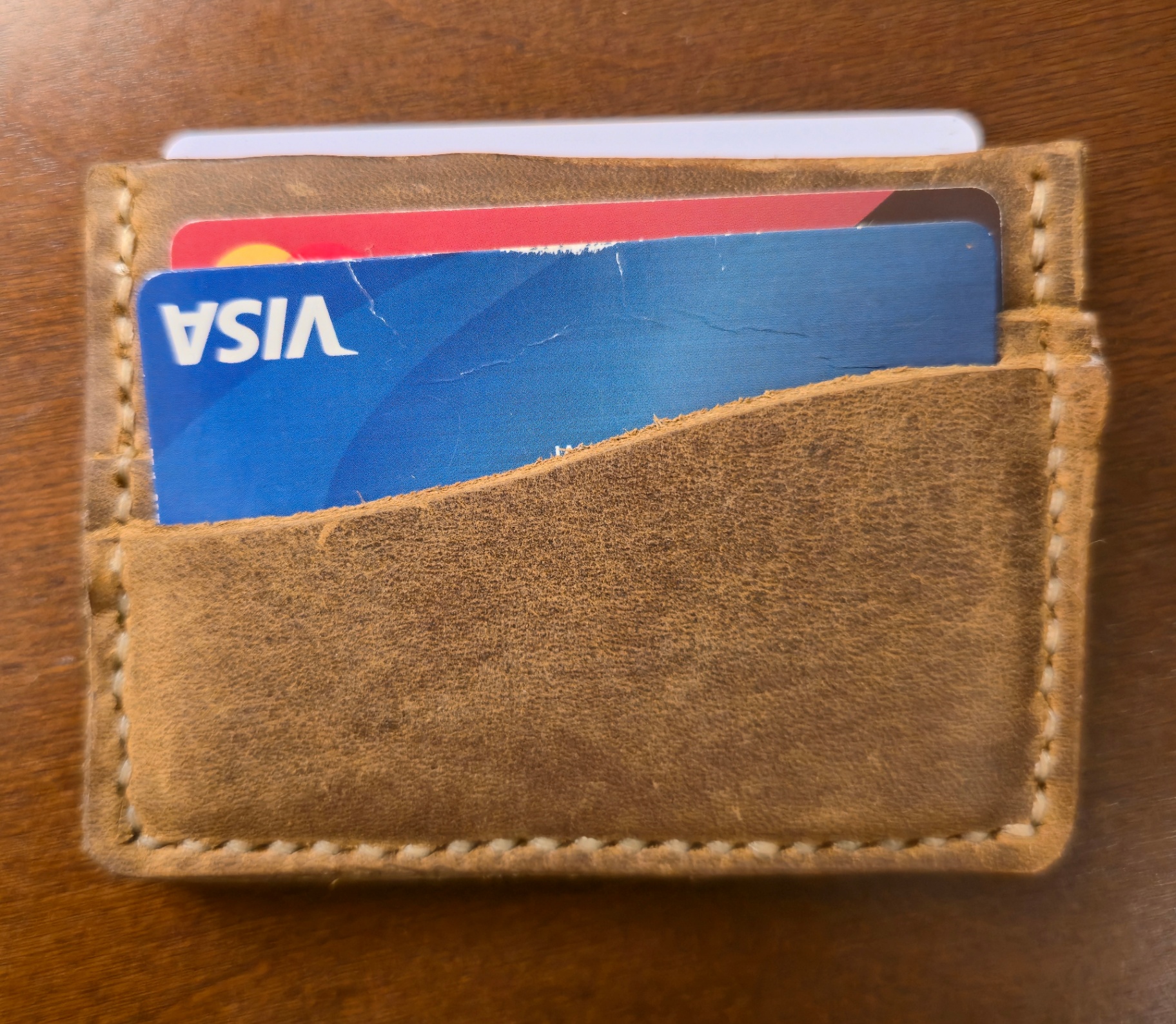
Conditioning is where the magic happens. Over time, the natural oils in the leather will evaporate. This is especially true for items you handle every day, like my minimalist wallets. The salt and oils from your hands are actually good for the leather to an extent, but eventually, the hide needs a deep "drink" to stay supple.
When leather gets dry, it loses its flexibility and starts to feel "papery." Conditioning is like giving your leather a refreshing drink, sort of like cracking open a cold, crisp soda on a humid afternoon. It replenishes those oils and keeps the fibers from snapping when they bend.
How to Condition Your Gear:
- Pick the right stuff: Look for a natural leather balm or conditioner. I prefer products that use beeswax or seed oils rather than petroleum-based stuff. Petroleum can actually break down the stitching over time, and since I put so much work into ensuring every stitch is perfect, I’d hate to see that happen!
- Apply in circles: Use a clean cloth or even your fingers. I actually like using my hands because the heat from your skin helps the balm melt into the leather better, allowing it to penetrate deeper.
- A little goes a long way: You don’t need to goop it on. A thin, even layer is perfect. If the leather "drinks" it up immediately, you can apply a second light coat.
- Buff it out: Let it sit for about 20 to 30 minutes to allow the oils to settle. Then, take a clean cloth and buff away any excess. This gives it a nice, healthy glow.
I usually recommend conditioning your gear every 3 to 6 months. If it starts to feel "stiff" or looks a bit dull, it’s probably time for a treatment.
The Reward: Developing a Unique Patina
One of the reasons I love using Burgundy Leather for journal covers is the way it ages. When you first get it, the color is deep and rich. But as you use it, as it slides in and out of your bag and rests in your hands while you write, it develops a "patina."
Patina is that beautiful, subtle sheen that leather gets over time. It’s a combination of the oils from your skin, the sunlight it’s been exposed to, and the tiny bits of wear from your daily life. A well-cared-for piece of leather tells the story of where you’ve been. It reflects your habits and your history. If you keep up with your conditioning, that patina will look like a healthy, vintage glow rather than just looking "old" or neglected.
What to Avoid (The "No-Go" Zone)
As much as I want you to use your gear hard, there are a few things that act as Kryptonite to handmade leather. I’ve seen some sad pieces come back to the workshop that could have been saved if these rules were followed:
- Excessive Water: A little rain is fine, just wipe it off as soon as you get inside! But please, don't go swimming with your leather pouch. If it does get soaked, don't panic. Stuff it with paper towels to help it keep its shape and let it dry slowly at room temperature.
- Harsh Chemicals: Avoid alcohol-based cleaners, bleach, or even most "all-purpose" household cleaners. They will strip the dye and the oils faster than you can say "oops."
- Direct Sunlight for Long Periods: Leaving your bag on the dashboard of a hot car in the summer is a recipe for disaster. It causes fading and dries out the hide until it cracks. Leather likes a cool, dry place when it's not in use.
Caring for Specific Pieces
Every piece I make has its own personality and its own specific needs.
My Buffalo Belt Pouch is built to be rugged. It’s the kind of thing you take on a hike or wear to a festival. Because buffalo hide is so strong, it can take a bit more of a beating, but those toggle closures and stitching still appreciate a quick wipe-down after a dusty weekend in the woods.

For something like the Rustic Tote, you have a lot of surface area to consider. I recommend giving it a good "once-over" with a soft brush occasionally to get any dust out of the seams or the bottom corners. It’s a large piece of hide, so when you condition it, take your time and make sure you’re getting the handles too: that’s where most of the contact happens with the oils from your hands!
If you aren't using your tote for a while, stuff it with some clean, dry fabric or bubble wrap to help it maintain its structure. Storing it flat for months can sometimes lead to permanent creases that are tough to work out later.

Final Thoughts from the Workshop
Taking care of your leather gear doesn't have to be a chore. I actually find it quite relaxing: kind of like a Sunday afternoon project when the workshop is quiet. There is a deep satisfaction in seeing a piece of leather come back to life after a quick clean and condition. It reminds me of why I love this craft: we’re making things that aren’t just meant to be looked at, but meant to be used and lived in.
Ensuring that every stitch is perfect is my job, but keeping that leather healthy is yours. Little did I know when I started this journey how much I would enjoy hearing from you all about how your gear is aging. I've had customers send me photos of wallets they've carried for years that look better now than the day they left my bench. That is the goal.
Together, we can make sure that your leather accessories are still looking great twenty, thirty, or even fifty years from now. If you ever have a specific question about a stain, a scratch, or which conditioner to use, don't be a stranger! You can always reach out to me on the contact page.
Thank you so much for supporting a small business and for caring about the craft. It means the world to me that my work gets to be a part of your daily life.
Stay kilted, stay authentic, and take care of that leather!
Warmly,
Eric
Founder & Owner, The Kilted Leatherworker LLC